

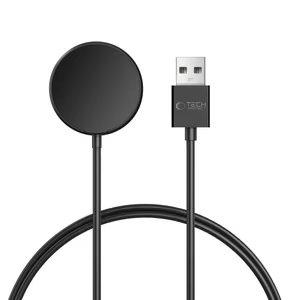
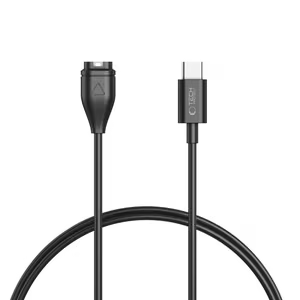
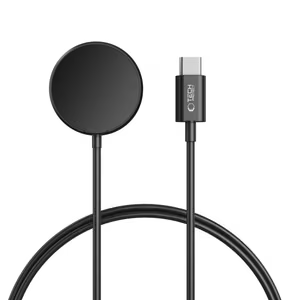
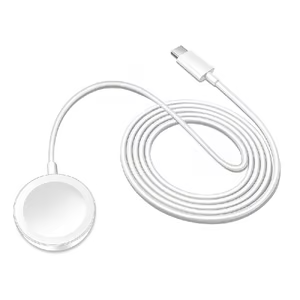
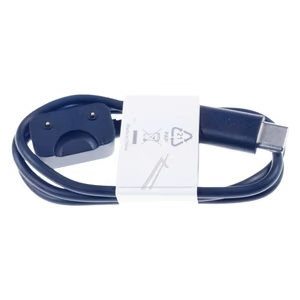
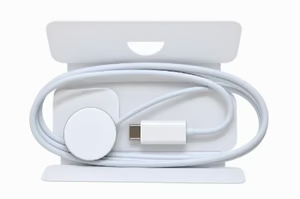
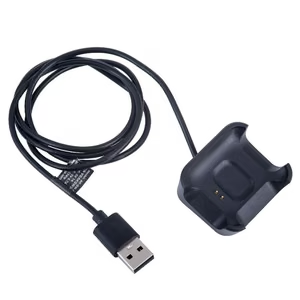
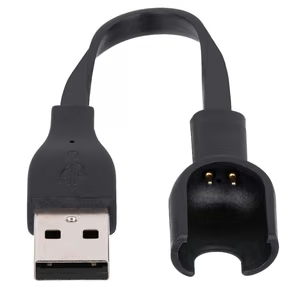
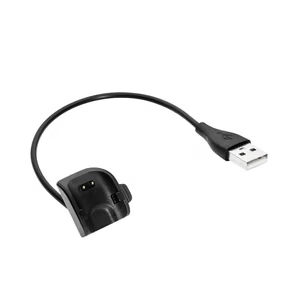
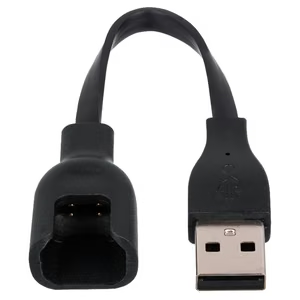
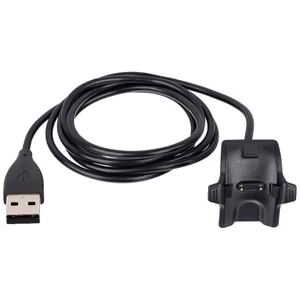
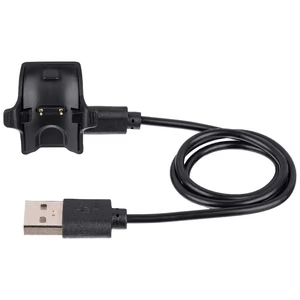
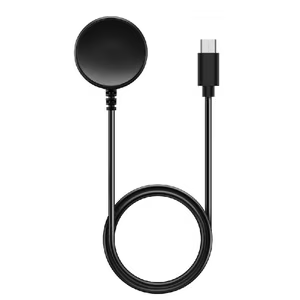
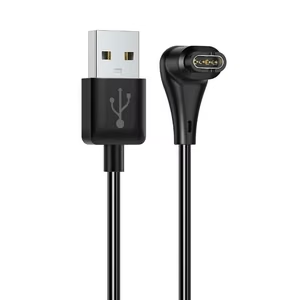
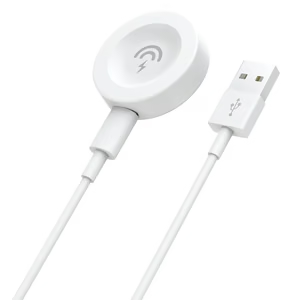
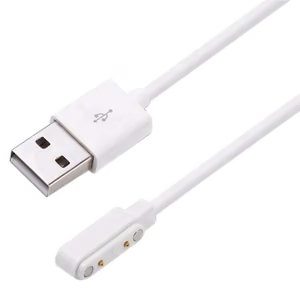
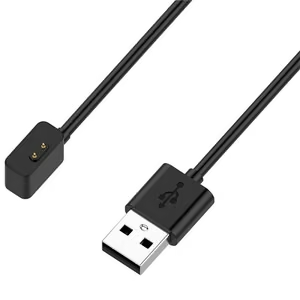
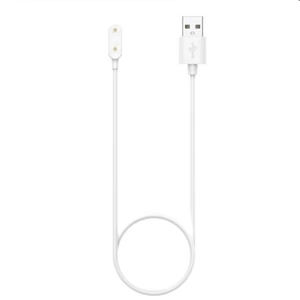
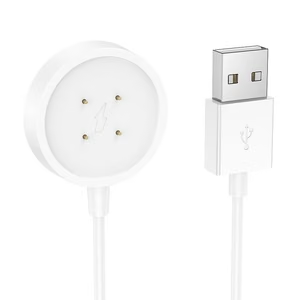
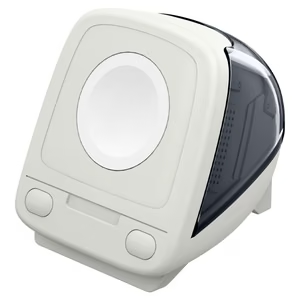
A smartwatch charger is nearly always model-specific, and that is why the Akyga and Tech-Protect cables are named so precisely: there is one for Garmin, one for the Fitbit Versa, for Amazfit, for Huawei's Watch GT and for Xiaomi's Mi Band. So look up your watch's model marking and find it in the product name. Cable lengths range from 10 centimetres to a metre, and if you want the charger to sit tidily on the bedside table, Spigen's Classic C1 stand holds the watch's own charger.
Find accessories for your phone
Select manufacturer and model




Frequently asked questions
Does fast charging damage the battery?
Can I use any USB-C charger?
Wireless or wired charging — which is better?
How powerful a charger do I need?
What power bank capacity should I choose?
A smartwatch charger is nearly always model-specific, and that is why the Akyga and Tech-Protect cables are named so precisely: there is one for Garmin, one for the Fitbit Versa, for Amazfit, for Huawei's Watch GT and for Xiaomi's Mi Band. So look up your watch's model marking and find it in the product name. Cable lengths range from 10 centimetres to a metre, and if you want the charger to sit tidily on the bedside table, Spigen's Classic C1 stand holds the watch's own charger.